
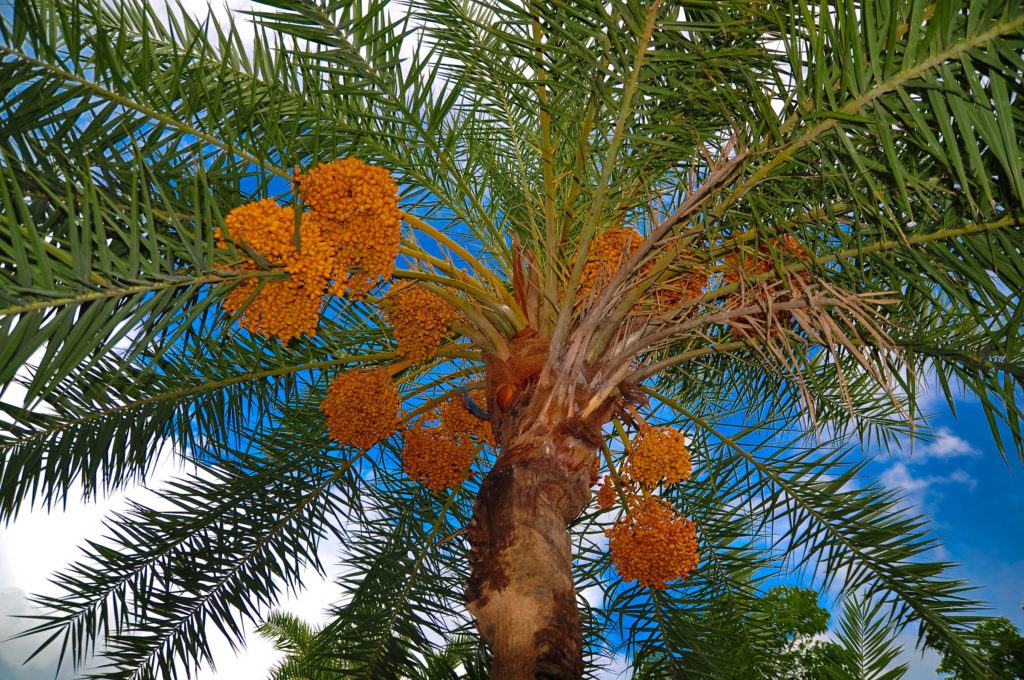
Do you know what is the connection between fruits and dates? Fruits have lots of healthy benefits, but most people don't know they can benefit from the goodness found in certain fruits and dates. Let me share with you some of the actual nutrients you get from eating a date or two a day. Eating fruits regularly is one part of getting the calcium your body needs to stay strong and healthy.
The first connection I want to make is dates nutrition. For ages women have enjoyed the sweetness and flavor of dates. From dessert dates to preserves and pickles, you can use them in all kinds of recipes. In fact, if you don't like the sweetness that the fruits have to offer, there are other sweeteners you can use instead.
If you eat one to two fresh dates instead of a sugary snack, you're swapping in natural fruit sugar for refined sugar — that's a plain nutrition trade-off, not a cure for anything. Dates do raise blood glucose the way any sweet fruit does, so portion matters more than the source of the sugar. Since most people consume large amounts of sugary drinks during the day, eating a couple of dates in place of a soda is a simple way to cut down on that intake without giving up something sweet entirely.
Calcium, potassium, magnesium, phosphorus, zinc and fiber are all present in dates in useful amounts. These nutrients help keep your body functioning properly. Here's a plain breakdown of what a serving of dates actually provides:
Dates aren't a major calcium source the way dairy is. A 100g serving carries roughly 30-40mg, a modest contribution to the day's total rather than a standalone source, so it's worth counting toward your intake without relying on it for bone health by itself.
Potassium is a different story. Dates run close to 650-700mg per 100g, a genuinely useful amount, and potassium is one of the minerals your body uses to manage fluid balance. One easy way to eat more of it is to blend dates with peanut butter into a smoothie or spread.
Phosphorus is the third mineral worth naming — the body uses it in energy metabolism and in maintaining bone structure alongside calcium. Dates contain a modest but real amount of it, useful as part of an overall varied diet rather than a reason on its own to eat more of any one food.
These are only a few of the nutrients in dates. They contain a genuinely useful spread of minerals and fibre, which makes them a solid addition to a varied diet — whether you're buying Mazafati dates or another variety. As with any food, the amount matters: dates are naturally sweet and calorie-dense, so a handful a day, checked against current date prices if you're buying in bulk, is a reasonable serving rather than a bowlful.