
Olive oil and dates sit side by side on a lot of Middle Eastern and Iranian tables, especially at iftar. Both keep for months, both travel well, and both do real work in a kitchen — which is a better reason to stock them than any vague "superfood" label.
Real olive oil comes in grades. Extra virgin is the first cold press, greener and more peppery, best used raw — drizzled on bread, salads, or a plate of Kurma Rotab for a sweet-savoury combination that's common in Persian spreads. Refined or "pure" olive oil is lighter in taste and holds up better to actual cooking heat. If a bottle just says "olive oil" with no grade on the label, it is almost always the refined kind.
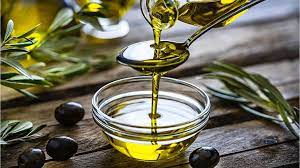
Storage matters more than most people think. Olive oil oxidises with light and heat, so a dark glass bottle kept away from the stove lasts noticeably longer than a clear one left on a sunny counter. Once opened, plan to use it within two to three months for the best flavour — it doesn't spoil overnight, but it does go flat and lose its peppery edge.
In the kitchen, olive oil and dates pair naturally: a date-and-olive-oil dressing over roasted vegetables, dates stuffed with a few drops of oil and sea salt, or simply oil brushed over warm flatbread served alongside a dish of Mazafati dates. None of this needs a health claim to be worth doing — it's just how these two ingredients have been used together for generations.
If you're buying either in quantity, check the harvest or pressing date on the label rather than relying on the "best before" date alone — both dates and olive oil lose quality faster than their shelf life suggests once a container has been sitting open. Our full range of dates and other everyday staples are graded and dated the same way, for the same reason.